
If you’ve been told you have tinnitus or you’ve simply made peace with the fact that the ringing, buzzing, or hissing in your ears isn’t going away on its own, the next question is usually the same: now what? The good news is that learning how to manage tinnitus is achievable, and most people find that with the right combination of strategies the sound fades into the background of daily life.
There is no single switch that turns tinnitus off, and you should be cautious of anyone who promises a quick cure. What works is consistent, practical management. Here are the strategies we recommend most often.
1. Use sound to your advantage
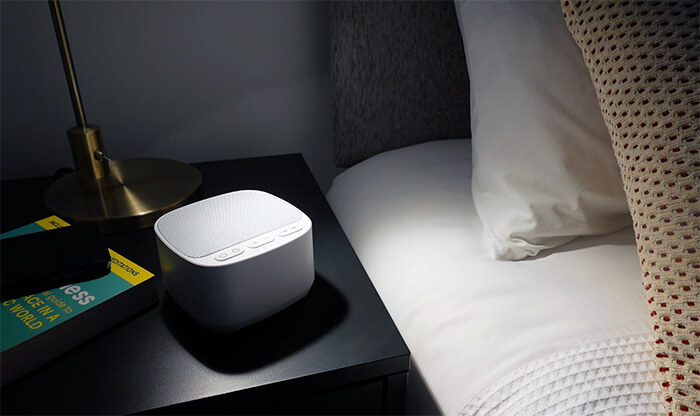
One of the reasons tinnitus feels loudest at night or in a quiet room is that there’s nothing else for your brain to listen to. Adding gentle background sound (called sound therapy or masking) gives your auditory system something else to focus on and makes the tinnitus far less prominent. You don’t need special equipment to start:
- A fan, air purifier, or white-noise machine in the bedroom
- Nature sounds, soft music, or a “brown noise” track played quietly
- Free tinnitus-masking apps that let you mix and match sounds
The goal isn’t to drown the tinnitus out completely, it’s to keep it from being the only thing you hear. Many patients are surprised how much a little ambient sound helps, especially while falling asleep.
2. Protect the hearing you have
Loud noise is one of the most common contributors to tinnitus, and continued exposure can make it worse over time. Protecting your ears is one of the few things firmly within your control. Keep earplugs or earmuffs handy for concerts, lawn equipment, power tools, and shooting ranges, and follow the simple rule that if you have to raise your voice to be heard, it’s loud enough to warrant protection.
3. Make sleep a priority
Tinnitus and poor sleep feed each other. A bad night makes the sound harder to ignore, and a noticeable tinnitus day makes it harder to relax. Breaking that cycle helps more than almost anything else. A few things that reliably help:
- Keep a low level of background sound running through the night
- Build a consistent bedtime routine at a regular time
- Limit screens and caffeine in the hours before bed
- If racing thoughts about the tinnitus keep you up, a relaxation or breathing exercise can quiet the alarm response
4. Manage stress, it really does turn the volume up
Stress doesn’t cause tinnitus, but it almost always makes it feel louder and more intrusive. When you’re anxious, your brain pays closer attention to threat signals and it can start treating the tinnitus like one. Anything that genuinely lowers your stress tends to lower how much the tinnitus bothers you: regular exercise, time outdoors, mindfulness or meditation, and protecting time for things you enjoy. For people whose tinnitus is causing real distress, a form of counseling called cognitive behavioral therapy (CBT) has strong evidence behind it, not because it changes the sound, but because it changes your relationship to it.
5. Consider hearing aids, even if you think your hearing is fine
This is one of the most overlooked tools, so it’s worth saying plainly: tinnitus and hearing loss very often travel together, and for many people, treating the hearing loss noticeably reduces the tinnitus. By amplifying the everyday sounds your ears have been missing, hearing aids give your brain richer input to focus on and many modern devices include built-in tinnitus sound-therapy features on top of that. If you’re curious where treatment is headed, newer approaches are emerging too If you’ve been on the fence about getting your hearing checked, persistent tinnitus is a very good reason to do it. (We’ll go deeper on hearing aids for tinnitus in the next post in this series.)
6. Go easy on the usual suspects
Some people notice their tinnitus flares with certain triggers. Most commonly caffeine, alcohol, nicotine, or very salty meals. The research here is mixed, and triggers are individual, so there’s no need to eliminate everything you enjoy. Instead, pay attention to your own patterns for a week or two. If you notice a consistent link, cutting back on that one thing is a reasonable experiment. If you don’t, you can stop worrying about it.
When to see an audiologist
Self-management goes a long way, but some situations call for a professional evaluation. Reach out if your tinnitus is only in one ear, came on suddenly, pulses in time with your heartbeat, comes with dizziness or noticeable hearing loss, or is interfering with your sleep, mood, or concentration. A thorough hearing evaluation can identify what’s driving the tinnitus and point you toward the management plan most likely to work for you.
You don’t have to figure this out alone
At Denison Hearing, Dr. Margaret Denison helps patients across Arvada and the Golden area build a tinnitus management plan that actually fits their life, starting with a complete evaluation of your hearing. If the ringing has been wearing on you, that first appointment is the most useful step you can take.
Call Denison Hearing at (303) 424-3274 to schedule your hearing evaluation, or visit us at 16205 W 64th Ave, Suite B3, Arvada, CO 80007.