
Hearing Aid Overview
Hearing aids improve quality of life
Hearing aids provide everyday support for millions of people with hearing loss. These tiny electronic devices are equipped with innovative technology and sleek designs that allow them to seamlessly integrate into daily life. Hearing aids provide the ears and brain with ample support, making it easier to hear and process speech as well as sound in quiet and in background noise.
Similar to most electronic devices we use today, hearing aids have experienced exciting advancements over the years. There is a wide range of styles, features, and technologies that deliver greater connectivity, enhanced sound quality, and overall hearing experience. Our team takes the time to help you navigate your options. We make sure that we find a hearing solution that optimally meets your hearing and lifestyle needs.
Understanding How Hearing Aids Work
Hearing aids are designed to absorb, amplify, and process speech as well as sound. All hearing aids are made with the following components allowing them to do this:
Microphone
a small microphone absorbs soundwaves from the environment and converts these soundwaves into electrical signals. Digital hearing aids are built with a processing chip that converts these signals into digital signals. This then allows the device to adjust these signals in specific ways to meet the wearer’s hearing needs.
Amplifier
receives signals from the microphone and increases the power (amplifier) of these signals before sending them to the speaker.
Speaker
also known as the receiver, the speaker sends signals to the inner ear. There are thousands of hair cells in the inner ear that further process signals and send them to the brain.
The last component of all hearing aids is the power source. Hearing aids either use disposable batteries or a rechargeable battery which is becoming more common. Where hearing aids start to differ is when it comes to the style and features offered.
Common Hearing Aid Styles
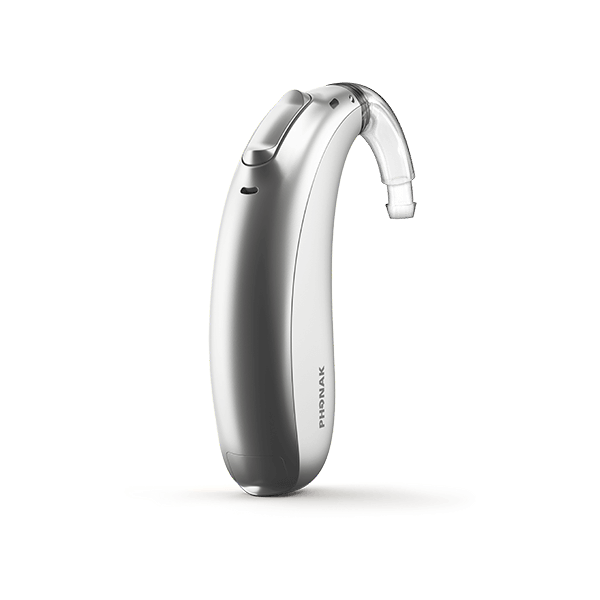
Behind the ear (BTE)
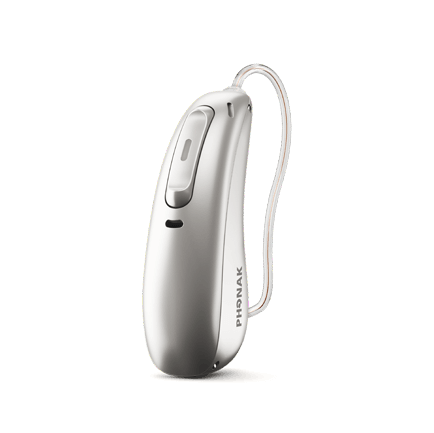
Receiver in Canal (RIC)
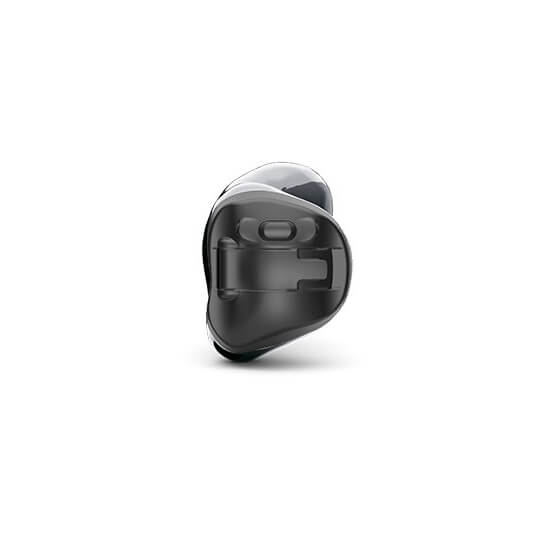
In the ear (ITE)
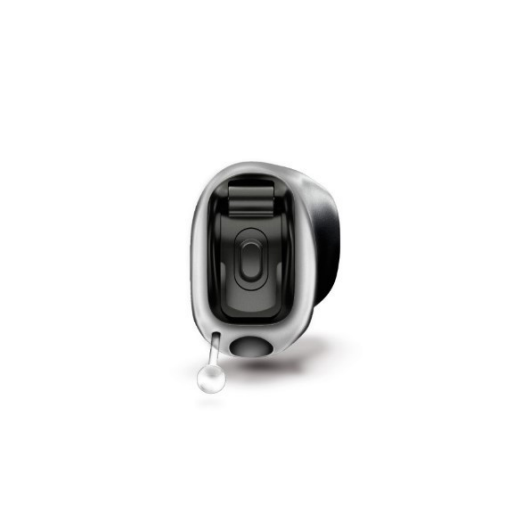
Invisible in Canal (IIC)
Latest Hearing Aid Features
Have questions? Reach out today!
Behind the ear (BTE)
continued...
BTE hearing aids are among the most common and recognizable hearing devices. This type is worn behind the ear with a small wire that connects to a piece worn in the outer portion of the ear. BTE hearing aids are best for more severe forms of hearing loss.
Receiver in Canal (RIC)
continued...
This is a smaller version of the BTE hearing aid. The RIC consists of a portion worn behind the ear but the thin tube connects to a smaller component that is worn in the ear canal. This open fit doesn’t occlude the ear unlike standard BTE devices, rather air and sound can flow to the ear canal. RICs are optimal for mild to moderate hearing loss.
In the ear (ITE)
continued...
ITE hearing aids are tailor-made to the individual's ears. This is done by taking custom molds of the ears which are then used to make the hearing aid. This ensures a perfect fit. ITE hearing aids are worn in the outer, bowl portion of the ear and are best for mild to severe hearing loss.
Invisible in Canal (IIC)
continued...
The smallest type of hearing aid available is the IIC. This style is worn deep in the ear canal and features a handle used to safely insert and remove the device. The IIC hearing aid is the most discreet and nearly invisible to others. It is best for mild to moderate hearing loss.